Love and its other words

FKA TWIGS / BELL HOOKS /
FKA TWIGS / BELL HOOKS /
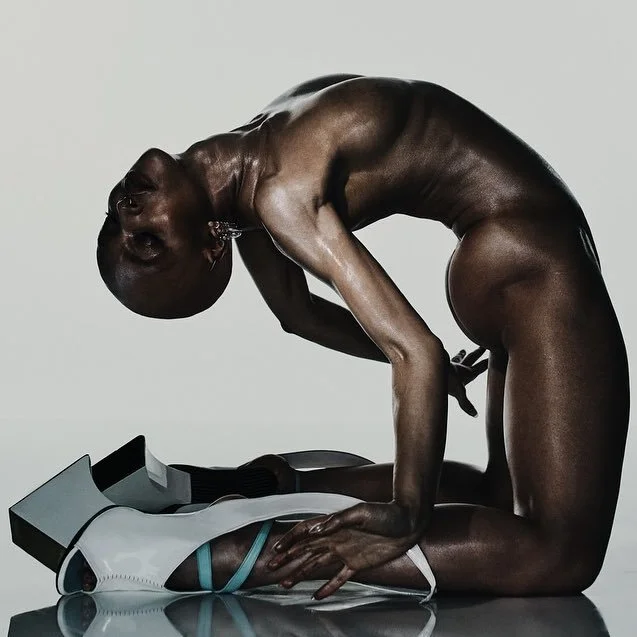
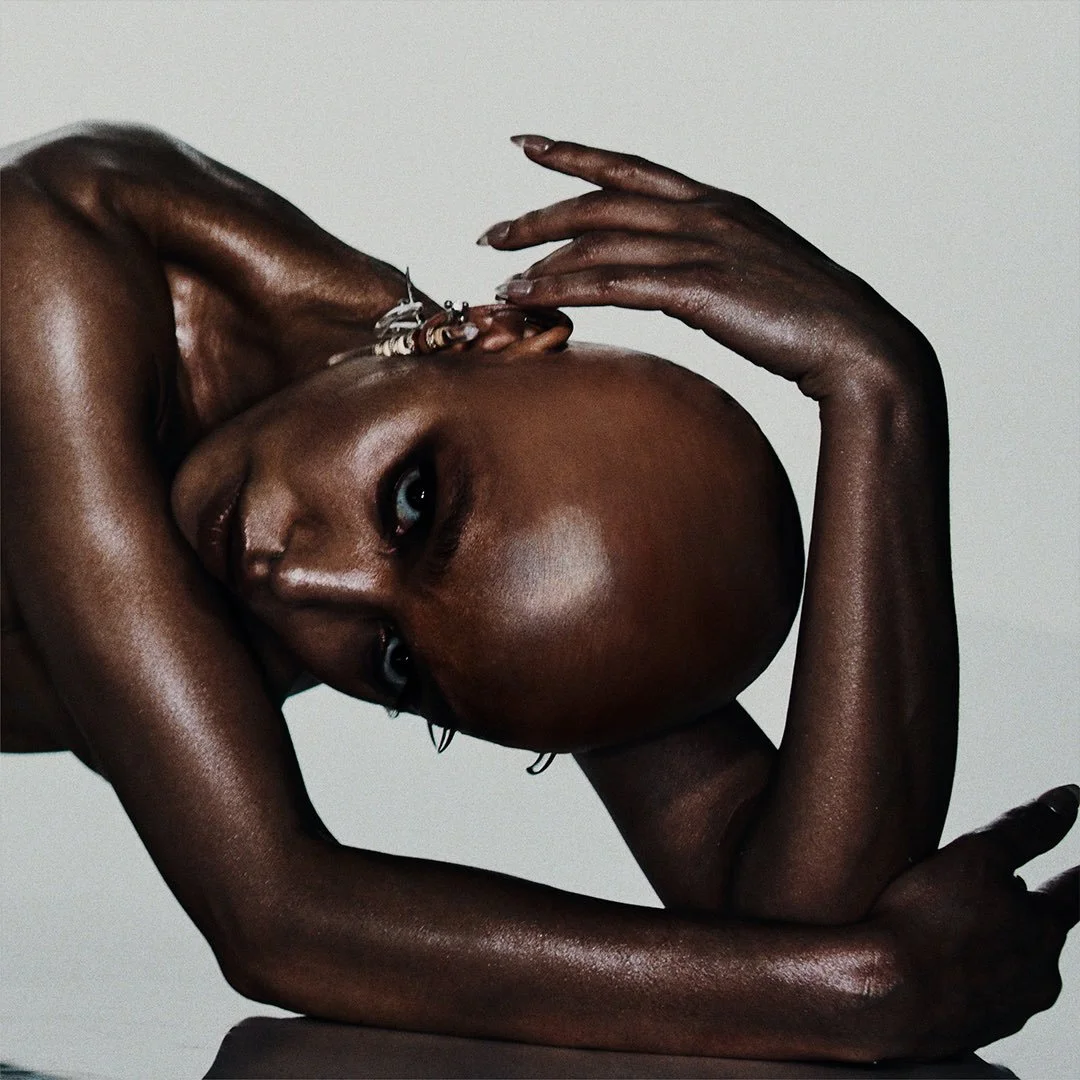

bell hooks, author of “All About Love: New Visions (1999)
Defining love is hugely daunting — so daunting that many of us choose not to do it and act on instinct and emotion instead when it comes to our writing, art, and personal lives. Despite this, there is no hesitation in creating alternative terms for love with concrete definitions, often found in psychology, music, literature, and film. These terms often encompass feelings that mimic love, but ultimately lack one or more characteristics that would allow them to culminate in what we can accept as true love. Why is it that we can so easily articulate what love is not, while struggling to say what love is?
In her book All About Love: New Visions, bell hooks confronts the challenge of defining love head-on, arguing that love is not a mysterious force we stumble into, but a deliberate practice rooted in action and intention. She bravely offers a working definition, that, “to truly love we must learn to mix various ingredients – care, affection, recognition, respect, commitment, and trust, as well as honest and open communication” (hooks, 5). By breaking love down into these tangible components, hooks invites us to reconsider the ways we use the word. Her framework challenges the instinctual, often passive approach to love, emphasizing that love is something we do, not just something we feel.
Drawing from Freudian psychology, hooks introduces the term cathexis as a stand-in for the kind of emotional investment that is often mistaken for love, writing that “when we feel deeply drawn to someone, we cathect with them” (hooks, 5), and that in fact, “most of us confuse cathecting with loving” (hooks, 5). The etymology itself suggests something all-consuming: from the Greek kata meaning “down” or “intensely,” and echein meaning “to hold.” The suffix -sis suggests a condition or state, meaning that cathexis literally translates to “an intense holding.” Cathexis feels like love because it clings, it dominates our other senses. But as hooks later explores in her chapter titled “Greed: Simply Love,” love cannot exist in the presence of domination. She writes “the world of domination is always a world without love,” (hooks, 83).
As hooks argues that love is a verb, she understands cathexis — this pervasive feeling of infatuation and “belonging to” — as a state. The confusion between the two while one experiences cathexis reveals how easily we are seduced by pure emotional gravity, mistaking it for commitment.
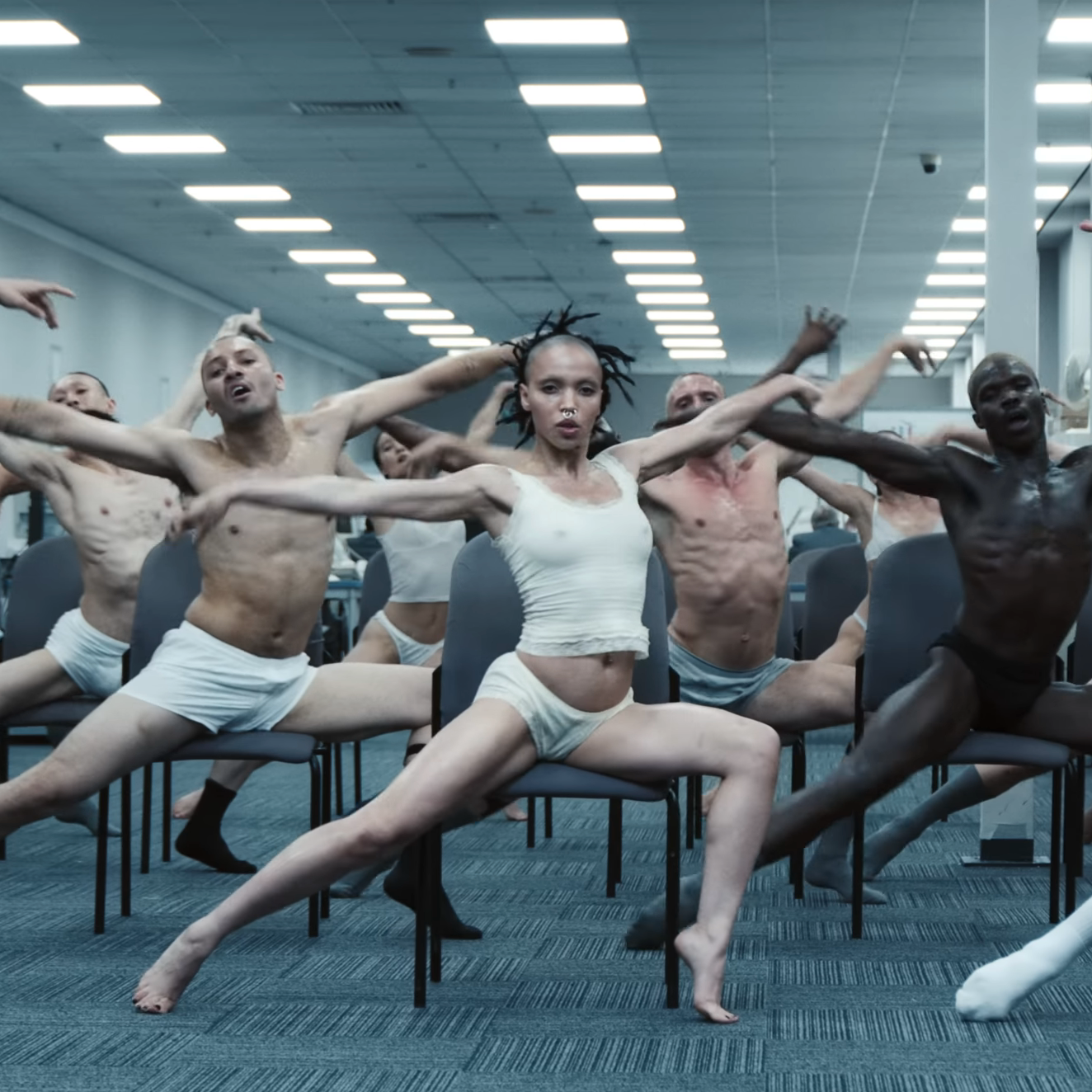
Still from Eusexua (2024)
FKA twigs gives us a contemporary and artistic addition to hooks’ idea with her term eusexua, featured in her track and album of the same name. A blend of the words “euphoria” and “sexual,” eusexua captures the ecstatic feeling of being seen, desired, or touched without any pretense of permanence. Where cathexis is psychological, eusexua suggests something more corporeal. It is a temporary alignment of desire and sensation that blossoms into something that briefly warms us, just as love has the power to in permanence.
Twigs’s artistry has long been a practice of emotional extremes. Her music, identified by an avant-garde blend of electronic, house, and art pop, aims to capture the crest of each feeling she explores. In “Eusexua,” she sings:
“King sized, I’m vertical sunrise / like flying capsized.”
It’s a lyric that keys in on the beauty found in temporary disorientation and imbalance. The line evokes a bodily high that is unsustainable, eliciting the feeling of love while simultaneously recognizing the lack of action. Later in the same piece, she warns:
“And if they ask you, say you feel it / But don’t call it love.”
Here, Twigs directly gestures to the tension this piece explores: how often we want to name something as “love” when it isn’t. Twigs’s refusal to name the feeling as love is not avoidance, it is precision. Eusexua, like cathexis, is intense, full-bodied, fleeting, and worthy to have art made about it. But it isn’t love.
This is perhaps why we find ourselves more fluent in the language of love’s fragments than in love itself. It's easier to name what love is not than to accept the hard work that fuels its existence. Micro-labels like cathexis and eusexua are precise and singular. These terms narrow or broaden the experience to something digestible: cathexis condenses love into emotional obsession, eusexua expands it into ecstatic bodily presence. Both give us some form of intimacy without the weight of love’s demands. Euseuxa and Cathexis can act as both standalone feelings as well as ingredients to other states of being. They are mistaken for love, but despite their similarities in feeling, can not be identified as even ingredients to this title.
As hooks points out, the cultural resistance to defining love reflects a deeper fear of what love truly requires. By claiming that love is undefinable, we protect ourselves from the labor of the verb. Though this might sound like a shortcut, it isn’t a bad thing to be using these “micro-labels.” Much of our emotional lives take place in the realm of adjectives: the fleeting relationships with people, passions, and places that make up our days. Everyone experiences obsession, infatuation, lust, and have been in states that mimic love. These are vital, beautiful, and deeply human experiences. But how many films can we say are truly about love, or more specifically, about the work that comprises love? If we used hooks’s definition of “care, affection, recognition, respect, commitment, and trust” how many of our great cultural “love stories” could be boiled down to cathexis, lust, or obsession, rather than love itself?
What do you call the intense but short-lived connection you have with a beautiful stranger at a party? The codependent friendship that burns out in your teen years? The book you’re glued to because the character reminds you of a past lover? Eusexua, cathexis, infatuation, tenderness, worship, lust, desire, yearning, closeness — all of which profoundly impactful in their own right — only amount to their own definitions and do not contribute to love’s. But without these terms, love would lack the wholeness of its blessing upon its arrival. And so, we must continue to tell stories and make art about feelings that are not love, while defining them as such. We also must pay equal attention to our true “love stories,” ensuring that they are built on pillars of hard work and lack domination.
There is no other word for love in the same sense that verbs cannot be synonymous with adjectives. Infatuation is to love as tired is to sleep, as fast is to run or loud is to shout. That said, without each of love’s singular, fleeting “adjective branches,” life wouldn’t be life. It’s these branches that tangle us beautifully as we age and grow, but it is love that ultimately unravels us from the clutches of fleeting things.